
Window treatments are one of the largest and longest-lasting design decisions in any home. Get them right and they quietly shape the light, comfort and character of a room for a decade or more. Get them wrong and they become a daily reminder of a rushed decision, one that is expensive and disruptive to undo.
The best way to avoid a mistake is not to know more about fabrics and finishes; it is to ask better questions before you buy. The right questions surface the priorities you might not have thought about, expose the trade-offs each option comes with, and give suppliers the information they need to recommend the right product rather than the most profitable one.
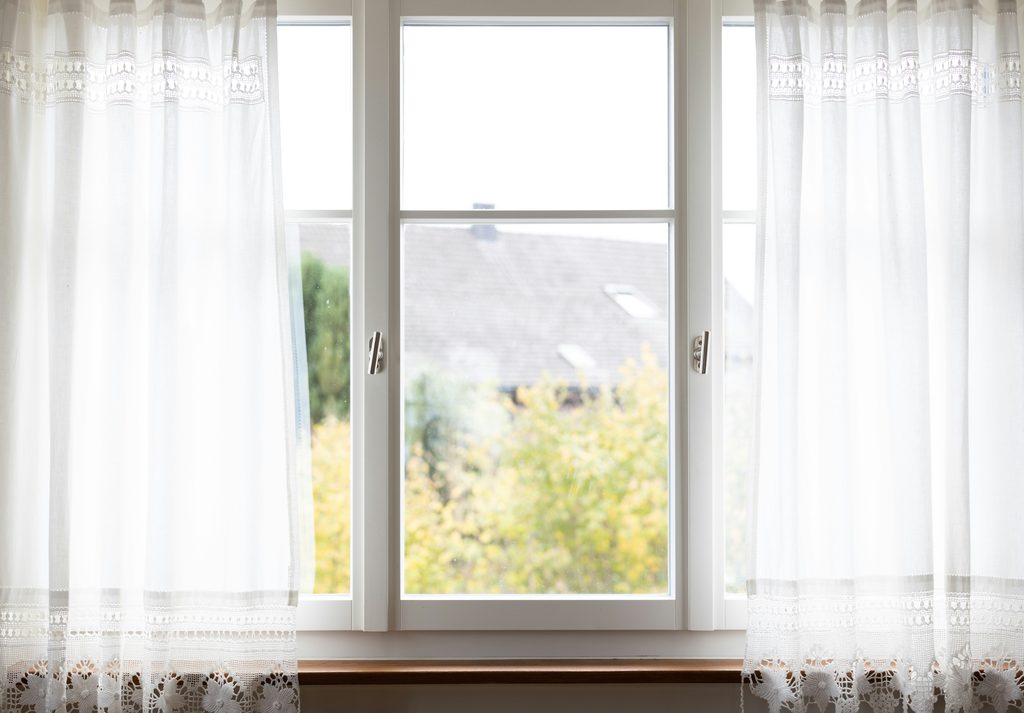
Here are ten questions worth working through before you commit to any curtain, blind, shutter or awning. Some are for you, some are for the supplier, and all of them will save time, money and regret.
1. What job does this window actually need to do?
Start with function, not style. Different windows in the same house often need very different things. A north-facing living room may want to maximise winter sun and diffuse harsh summer glare. A west-facing bedroom needs proper blockout to sleep through late sunsets. A bathroom needs privacy and moisture resistance. A front-facing family room may prioritise street privacy without giving up the view.
Writing down the three things each window most needs to do, in order, makes every subsequent decision far easier. Style follows function without any drama when function is clearly defined.
2. Curtains, blinds, shutters, or a combination?
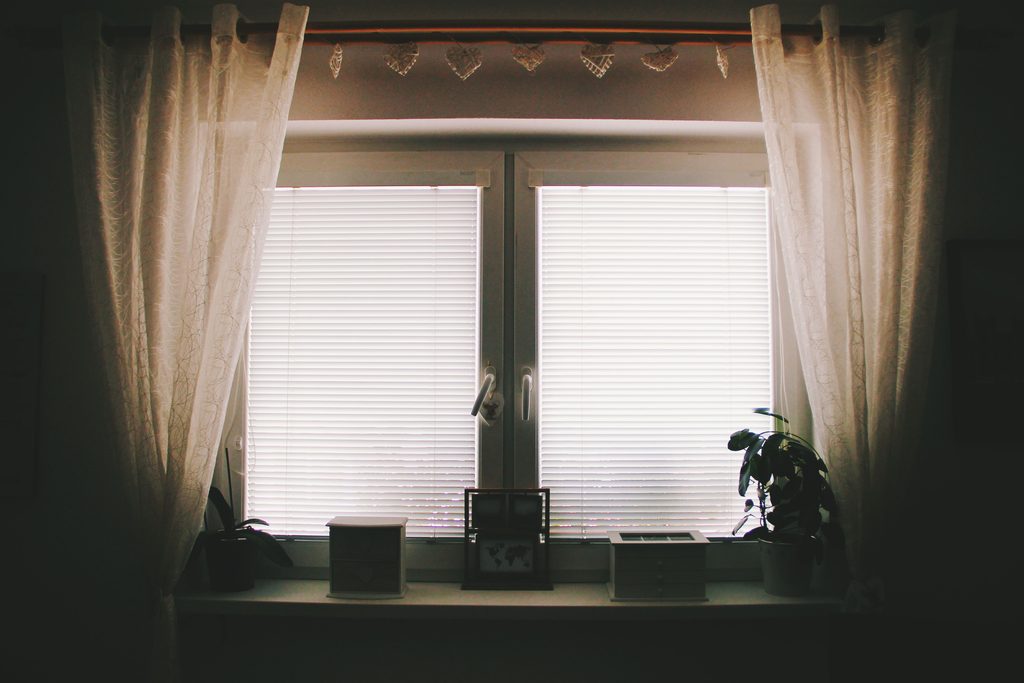
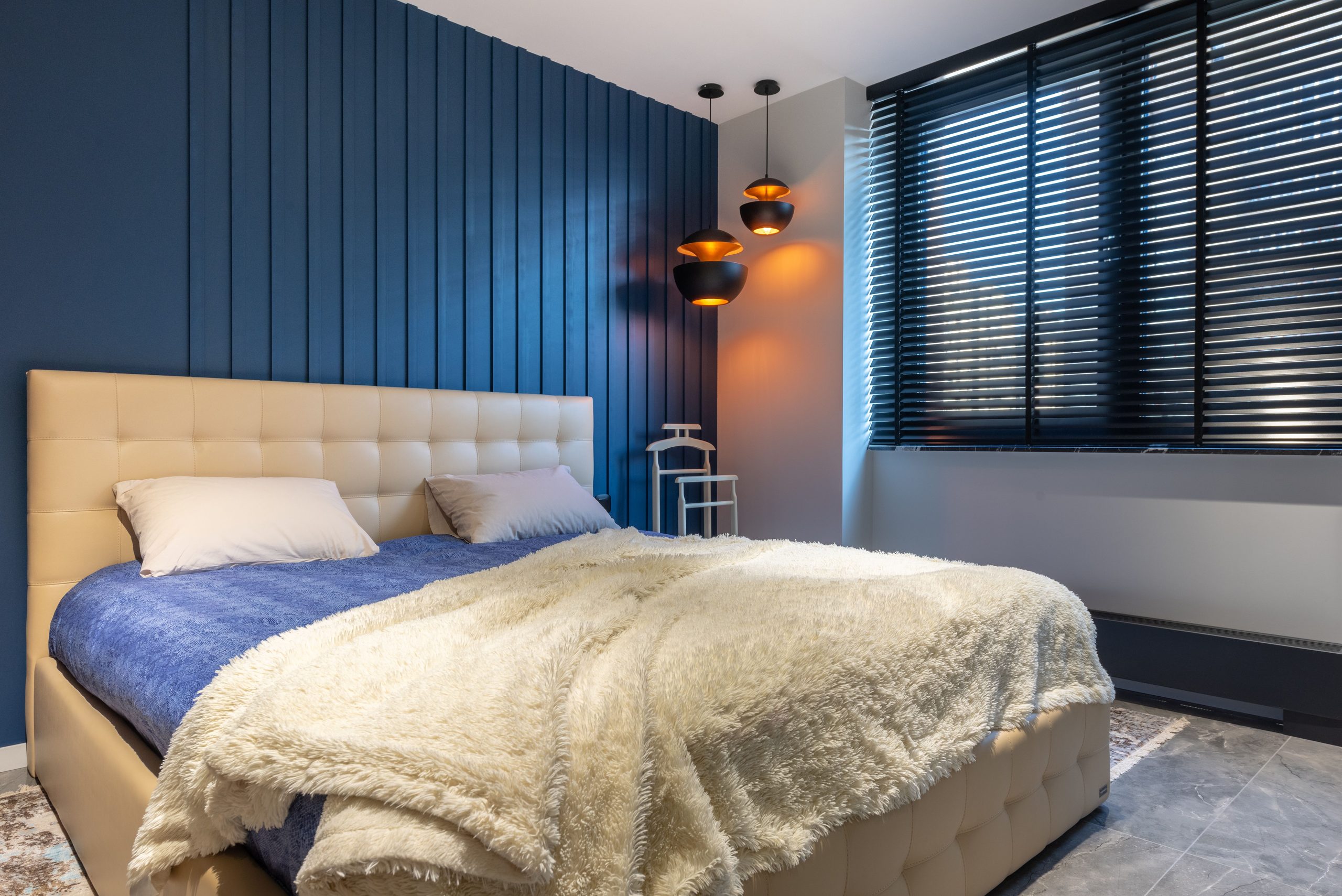
Each product type does something different. Curtains soften a room, absorb sound and add a sense of height when hung above the frame. Blinds offer tight light control and a cleaner architectural look. Shutters bring built-in permanence, excellent light control and strong resale appeal. Layering two products (sheers with blockout curtains, or blinds behind curtains) delivers the widest range of light and privacy states.
The right answer is almost never universal across a home. Ask which combination suits each individual room, rather than picking one product type and forcing every window into it.
3. How much natural light do we actually want to keep?
This question exposes a common trap. Heavy blockout curtains solve one problem beautifully (dark bedrooms, glare on screens) but they also sacrifice daylight when closed. Light-filtering fabrics keep a room bright and inviting but offer no true blockout for sleep or privacy at night.
The best answer is often layering, so daytime and nighttime light control operate independently. Whatever the answer, decide it before choosing fabric weights and opacities, since retrofitting a second layer later is far more expensive than planning it in from the start.
4. What is our privacy situation, day and night?
Privacy is not a single setting. A fabric that looks entirely private during the day can go semi-transparent at night once interior lights are on and the outside is dark. Ask the supplier to show you samples in both conditions, or at least explain which fabrics maintain their opacity both ways.
Ground-floor rooms facing streets, footpaths or neighbouring windows deserve extra thought. Upper-storey rooms facing paddocks or the treeline may be able to relax the privacy requirement and choose a softer fabric that brings more light into the space.
5. What is our budget across the whole home, not per window?
Costing window treatments room by room, in isolation, is how budgets blow out. A whole-home number lets you make trade-offs across rooms sensibly: perhaps spending more on the two windows guests actually see, and choosing simpler products for utility spaces or spare bedrooms.
It also opens the door to phased quoting, where a supplier prices the whole house so you can stage the work over multiple orders while keeping styles and colours consistent across rooms.
6. How long do we expect these to last?
The right product for a home you will be in for the next 20 years is not necessarily the right product for a home you will sell in three. Long-hold homes justify premium fabrics, quality hardware and features like motorisation that pay back over years. Short-hold homes often benefit from clean, timeless choices that appeal to future buyers and keep the initial spend modest.
Ask suppliers what the realistic lifespan of each product type is under normal use, and how well each material holds up to Australian sun, salt air (particularly on the Peninsula) and everyday wear.
7. Who lives in this house, and what changes safety requirements?
Homes with young children or pets have strict considerations that should shape the shortlist from the start. Corded blinds and curtains are a documented safety hazard for small children, and cordless, wand-operated or motorised versions are the safer choice in family homes. Rental properties also carry legal obligations around child-safe window coverings that need to be understood before ordering.
Ask the supplier to walk through the safety options for each product, including how existing chains and cords can be secured with cleats or tension devices where a fully cordless upgrade is not practical right away.
8. Does the supplier measure and install, or is that on us?
This is one of the most important commercial questions, and it is often left unasked. Made-to-measure window treatments live or die on the accuracy of the measurement, and even a small measuring error can leave a curtain short of the floor or a blind narrower than the reveal. Ask specifically:
- Does the quote include an in-home measure?
- Is installation included, or quoted separately?
- Who is responsible if a product does not fit correctly?
Suppliers that measure and install themselves typically stand behind the full result. Suppliers that ship product for the customer to install often shift the risk to you if anything is out by even a few millimetres.
9. What warranty comes with the product and the workmanship?
Warranties on window treatments vary widely, and the fine print matters. Reputable suppliers back their fabrics against fading and defects, motors and mechanisms against mechanical failure, and their own workmanship on installation. Cheaper suppliers often exclude one or all of these, or place strict conditions on how a claim can be made.
Ask the supplier to summarise the warranty in plain language and confirm it in writing on the quote. A supplier who is confident in their product and workmanship has no problem doing this.
10. What are the realistic lead times?
Custom curtains and shutters are made to order, which means real lead times of several weeks between order and installation, and often longer for shutters coming from offshore factories. Blinds are typically faster but still take one to two weeks for local fabrication.
If the order is tied to a moving-in date, an event or a renovation completion, ask for an installation date in writing and confirm what contingency exists if the schedule slips. A confident supplier can commit to realistic timing; an evasive one is a warning sign.
What a good supplier does with these questions
A useful test of any supplier is how they respond when asked these questions. The right team welcomes them, answers each one plainly, and often adds context you had not thought to ask about. A supplier who deflects, rushes past the questions, or steers straight to a discount without addressing the specifics is telling you what the ownership experience will be like once your deposit is paid.
The best conversations are collaborative, not transactional. A good supplier is trying to understand the home and the household, not close a sale by lunchtime.
Ask better questions, get better window treatments
Window treatments reward preparation. Ten focused questions, worked through before you sign anything, will consistently outperform hours spent browsing fabric swatches without a brief. Function first, then style. Whole-home budget, not per window. Written warranties, realistic lead times and a supplier who genuinely listens. Get those pieces right and everything else becomes a series of enjoyable choices rather than a source of stress.
At Peninsula Curtains & Blinds, we take these conversations seriously. Our free in-home consultation is designed as a discovery visit rather than a sales pitch, with time to work through your priorities room by room across the Mornington Peninsula. We measure, fabricate locally where possible, install every product ourselves, and back the whole job with a clear written warranty. Book a consultation and we will bring the questions, the samples and decades of local experience with us.