
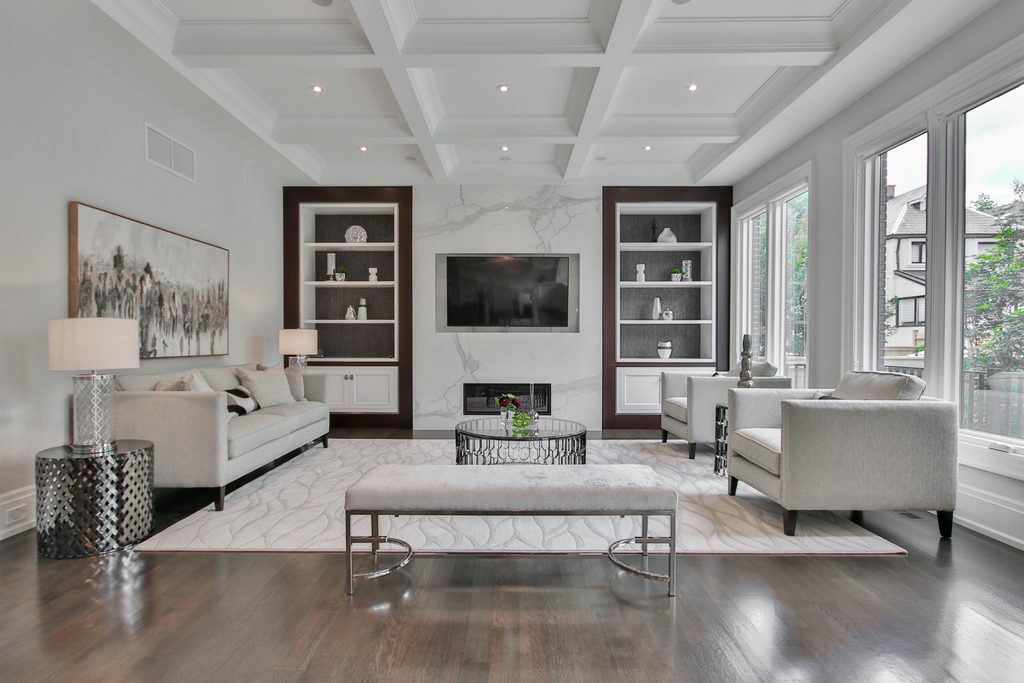
The living room is where a home earns its keep. It hosts family evenings, weekend visitors, quiet mornings with a coffee and the streaming marathon on a wet Sunday afternoon. Because it does so many jobs, the window treatments have to work harder than in almost any other room. They need to flood the space with light when it is time to entertain, cocoon it when a film goes on, protect the sofa from harsh afternoon sun and still feel like a considered design choice every time someone walks in.
The good news is that there is no single right answer. The best living room window treatment depends on the orientation of the windows, the style of the home, the way the family actually uses the space, and the size of the room. This guide walks through the strongest options for different scenarios, along with the layering combinations that consistently outperform any single product on its own.
Start with how the room is used
Before comparing products, think about how the living room is actually lived in. A formal front lounge that mostly hosts visitors needs a very different treatment to a rear family room that faces the garden and doubles as a home cinema.
A few useful prompts. When is the room used most: mornings, evenings, or across the whole day? Is a television or projector positioned where afternoon glare is a problem? How overlooked is the space from the street, neighbours or a shared driveway? Is the room formal or relaxed in feel? The answers narrow the field faster than any brochure.
Match the treatment to the window orientation
North-facing living rooms
North-facing windows are the ones to celebrate. They deliver soft, consistent daylight through most of the year and welcome winter sun deep into the room. The treatment should filter and soften rather than block. Sheer curtains on their own, or sheers layered with a light-filtering roller behind, preserve the best of the light while dampening glare on screens.
South-facing living rooms
South-facing rooms tend to feel cooler and darker, particularly in winter. The priority here is to preserve every millimetre of daylight coming in. Lightweight, high-transparency sheers or a wide-open roller in a pale fabric let the space breathe. Heavy blockout treatments are usually a mistake in south-facing living rooms unless privacy from a very close street forces the issue.
East-facing living rooms
East-facing rooms get bright, direct light in the morning that drops off by afternoon. If the room is used for morning coffee or breakfast, sheers alone can be beautiful. If the space is used more heavily in the evening, a layered set-up gives flexibility without overcommitting to blockout.
West-facing living rooms
West is where the design decisions get serious. Afternoon and evening sun on a west-facing wall of glass will fade fabrics, cook the room in summer and glare directly onto any south-facing television. Sun-protective solar screens behind decorative curtains are the workhorse solution here. Layering a sheer with a heavier drape also works well, and outdoor blinds on wide windows or bifolds add another layer of heat control before the light even reaches the glass.
The strongest living room treatments
Sheer curtains
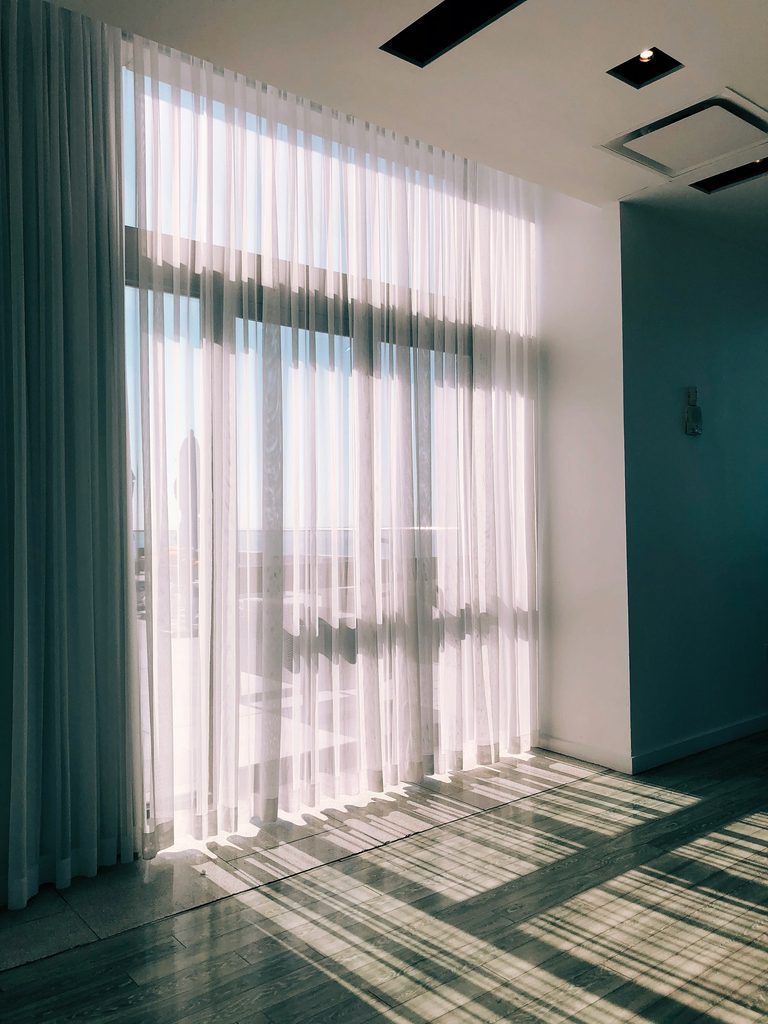
Sheers are the quiet star of contemporary living rooms. They soften harsh light, add a sense of movement when a breeze catches them, and give a room instant height when hung floor to ceiling. In S-fold or wave headers they read as effortlessly modern; in a traditional pinch pleat they suit heritage and Hamptons-style homes beautifully. Used alone they suit rooms with excellent daytime privacy; used as one half of a layered set-up they earn their keep in almost any living room.
Blockout curtains
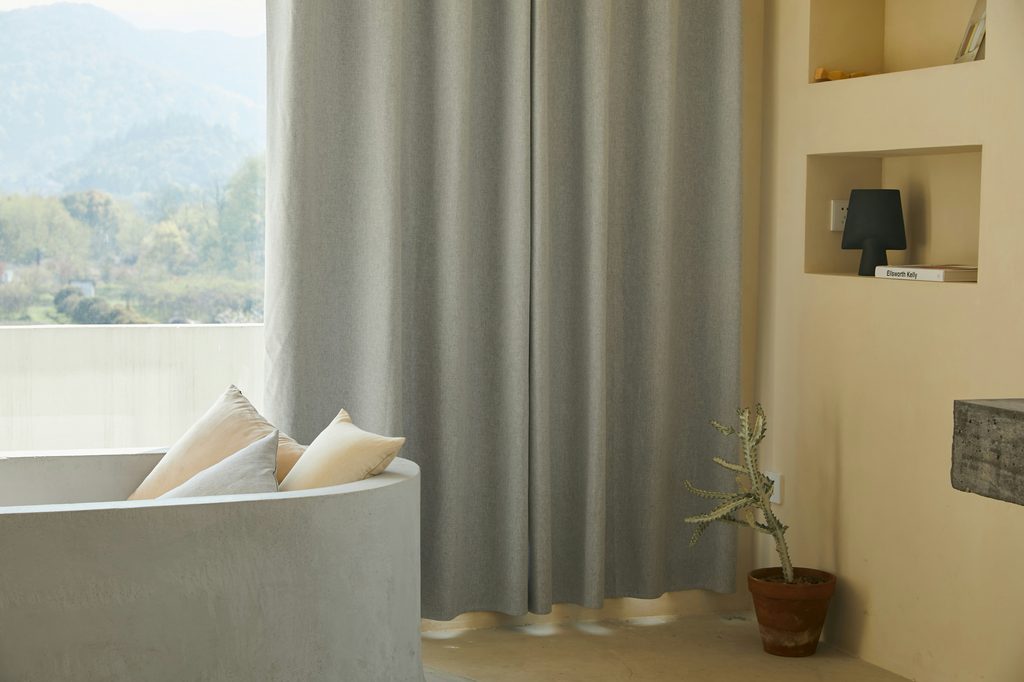
Living rooms that host regular movie nights, gaming sessions or afternoon naps benefit from proper blockout. Modern blockout fabrics come in surprisingly refined textures and colours, so they no longer feel like the vinyl-backed relics of a decade ago. Look for triple-weave or coated fabrics with a soft outer face, and pair them with a track or rod that supports the weight comfortably.
Roller blinds
Roller blinds are the simplest and most versatile option. Dual rollers pair a translucent fabric with a blockout on a single bracket, giving day and night flexibility on one set of hardware. They suit modern homes with clean architectural lines and rooms where minimal fuss is the priority. For most living rooms they work best as the functional layer inside a decorative curtain, though a beautifully colour-matched roller can absolutely stand on its own in the right space.
Roman blinds
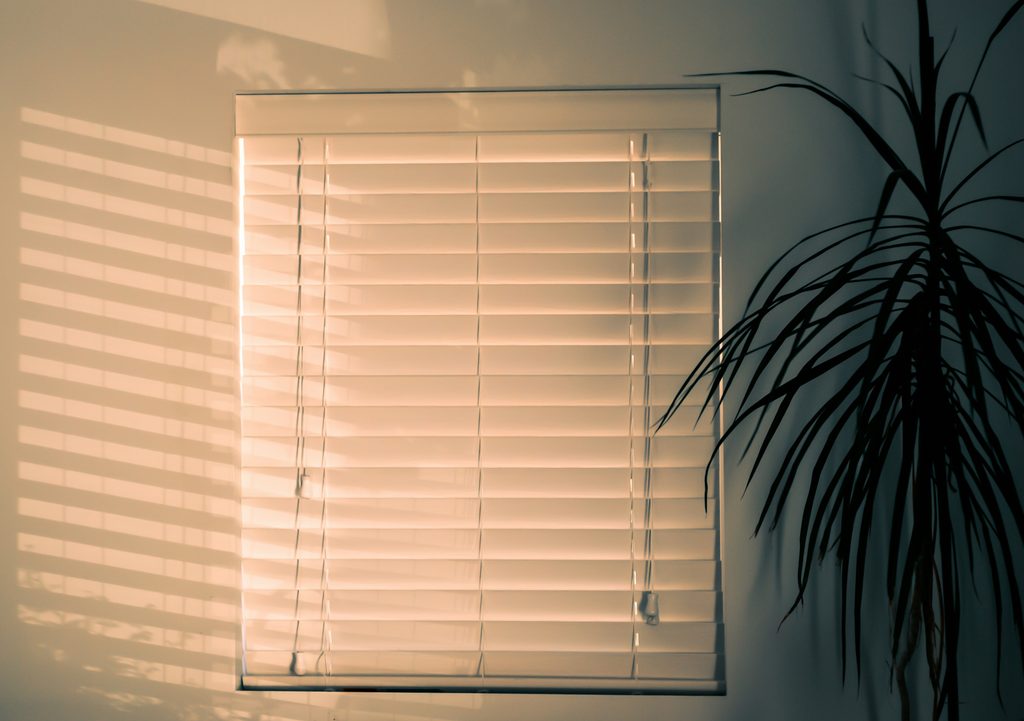
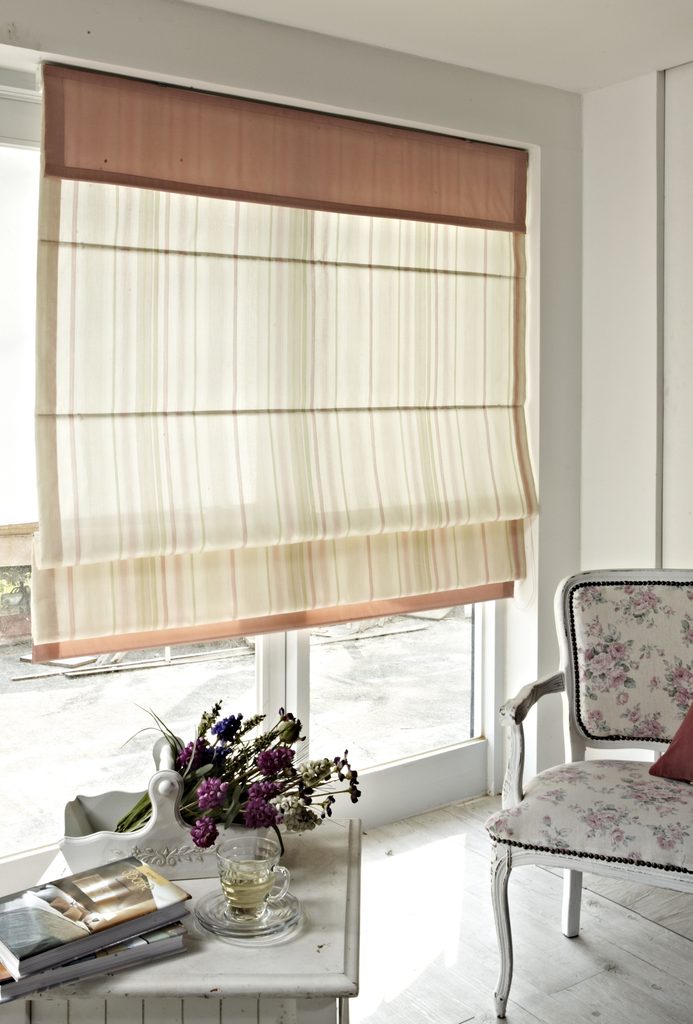
Roman blinds bring the softness of fabric with the tidiness of a blind. They fold into neat horizontal pleats when raised and hang as a flat panel when lowered, which suits smaller living rooms where a full curtain drop would feel heavy. They are especially good over feature windows in period homes, or as an accent over a bay window seat.
Plantation shutters
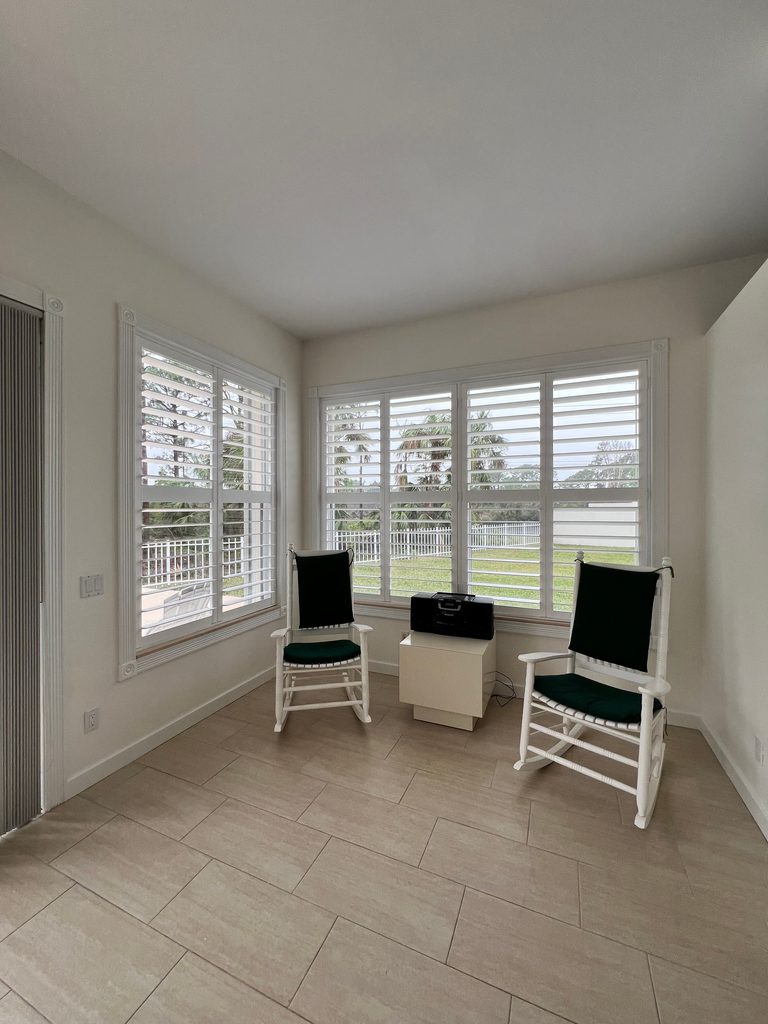
For homeowners who value permanence, resale appeal and clean architectural lines, plantation shutters are hard to beat. Their tilt-and-fold operation gives precise light control at any hour, they add a genuine premium feel to a room, and they are one of the few window treatments that consistently increase perceived property value. They work particularly well in Hamptons, coastal, French provincial and heritage-style living rooms.
Solar and screen blinds
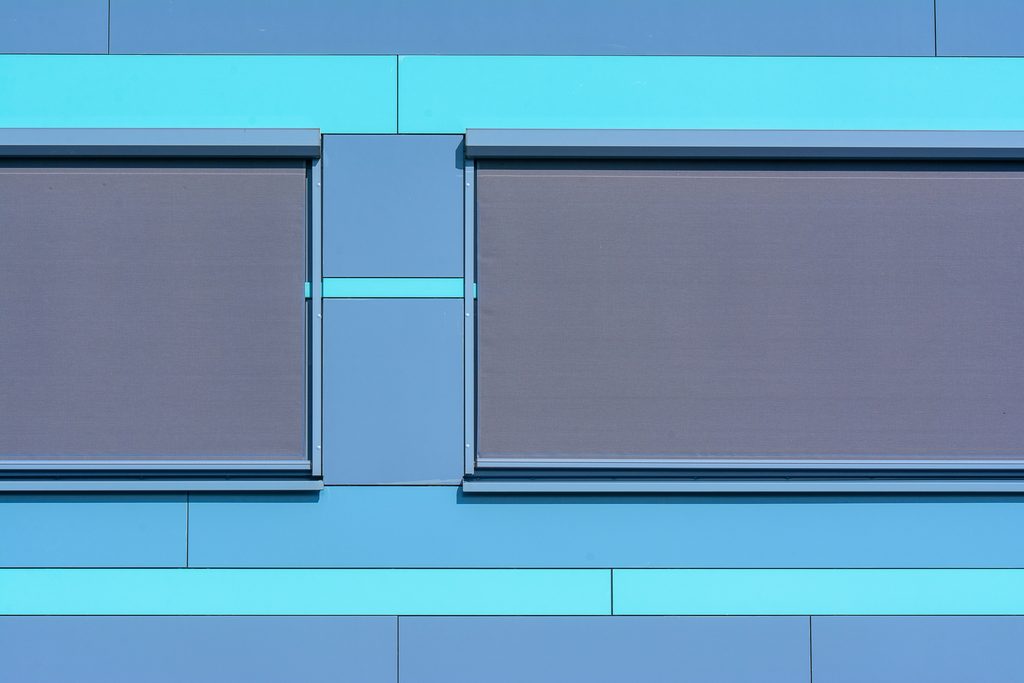
For the west-facing wall of glass, or any living room where fading of furniture and floors is a real concern, solar screen blinds block up to 95 per cent of UV while preserving the view. Sitting behind a decorative curtain, they do the heavy lifting invisibly and let the aesthetics of the room remain untouched.
Why layering wins in most living rooms
A single window treatment is often asked to do too many jobs at once. Layering separates those jobs across two products, and each product gets to do one thing brilliantly.
The classic living room layer pairs floor-to-ceiling sheer curtains with either a blockout curtain, a blockout roller or a solar screen behind. During the day, only the sheers are drawn: light diffuses beautifully, screens are usable, and the room feels open. In the evening, the blockout layer closes for full privacy and heat retention. On a bright afternoon, the screen or blockout roller drops on its own to knock down glare while the sheers stay open. Three completely different lighting states from one set of hardware.
Layering also solves the acoustic problem in open-plan living rooms. Fabric absorbs sound where hard surfaces (glass, tiles, floorboards) reflect it, and two layers of fabric make a measurable difference to how a room sounds when the television goes on.
Practical details worth getting right
- Hang high, hang wide. Mount curtain tracks close to the ceiling and extend the rod well past the window frame on each side. The room instantly reads taller and the window looks larger.
- Puddle or kiss, never hover. Curtains should either just brush the floor or gently pool onto it. A curtain hovering 30 millimetres above the floor is one of the most common and most jarring mistakes in a living room.
- Choose fullness carefully. Curtains cut to 2 to 2.5 times the width of the window read as generous and considered. Skimping on width leaves curtains looking flat and cheap regardless of the fabric.
- Coordinate hardware to the scheme. Rod finials, brackets and chains sit at eye level. Match them to the finish of other visible metalwork in the room (door handles, light fittings, tapware in an open-plan kitchen) for a cohesive result.
- Think about the pelmet. A recessed pelmet hides the track completely and creates a beautifully architectural top edge. It also traps warm air behind the curtain in winter, improving thermal performance.
Design the room, not just the window
The best window treatments for a living room are the ones chosen with the whole room in mind. Function first, then orientation, then style. Layer where the light and privacy conditions vary through the day. Hang high, hang wide, and choose fullness that lets the fabric do its job. Get those decisions right and the window treatments quietly disappear into the background, doing exactly what a well-designed living room needs them to do.
At Peninsula Curtains & Blinds, we design and install living room window treatments for homes across the Mornington Peninsula, from beach houses in Sorrento to family homes in Mornington and heritage properties in Frankston South. Our free in-home consultation includes a full walk-through of orientation, use and layering options, with samples on the sofa where you can see how each fabric behaves in your own light. Book a consultation and we will help you plan a living room the whole household will want to spend time in.