
Your blinds do a lot of work, filtering light, protecting privacy, and framing every room in your home. But without the right care, dust, grease, and moisture can quietly take years off their life.
The good news is that keeping your blinds in great condition doesn’t require expensive cleaning services or specialist tools. A little know-how and the right technique for your blind type is all you need. This guide covers everything from your weekly dust routine to tackling stubborn stains, so your window treatments stay beautiful for years to come.
First: Know What Type of Blinds You Have
Different materials require different care. Using the wrong cleaning method is the most common way homeowners accidentally cause damage. Here’s a quick overview of the most popular types we carry:

Horizontal slats in aluminium, faux wood, or real timber. Durable but prone to dust buildup in the slat grooves.

Single fabric panel that rolls up. Easy to wipe down but can warp if over-saturated with water.
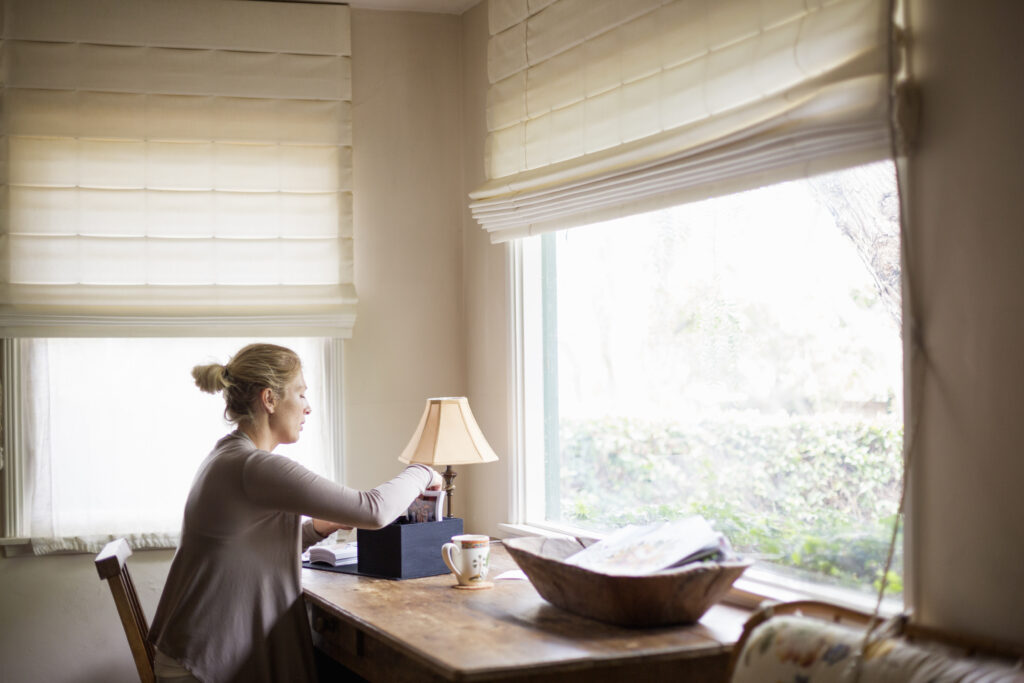
Soft fabric folds that require gentle handling and typically benefit from professional cleaning.

Tall hanging louvres in fabric or PVC. Easy to wipe individually but louvres can snap if pulled harshly.
What You’ll Need
Before you begin, gather these simple supplies since most are already in your home:
- Microfibre cloths (x2)
- Mild dish soap
- White vinegar (optional)
- Vacuum with brush attachment
- Soft-bristle brush or duster
- Warm water in a bucket
- Rubber gloves
- Dry towels
💡 Pro Tip
An old cotton sock worn over your hand makes a surprisingly effective blind-cleaning glove. Simply wipe both sides of each slat in one motion. This works especially well on Venetian blinds.
Step-by-Step: How to Clean Each Blind Type
Venetian and Aluminium Blinds
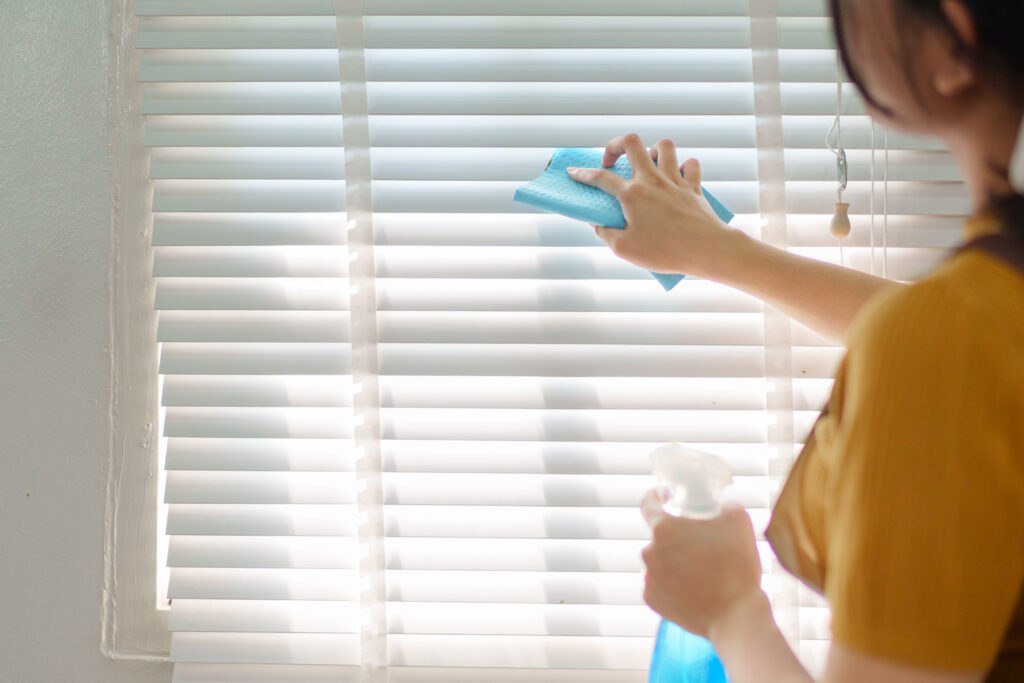
- Close the blinds fully so the slats lie flat. Dust from top to bottom using a microfibre cloth or blind duster, wiping each slat gently.
- Flip the slats to the other side and repeat the process.
- For deeper cleaning, mix a few drops of mild dish soap in warm water. Dampen but do not soak your cloth and wipe each slat individually.
- Follow with a dry cloth to remove moisture. Aluminium warps easily so never leave water sitting on the slats.
Roller Blinds
- Lower the blind fully. Use a vacuum with a soft brush attachment to remove surface dust from top to bottom.
- For spot stains, lightly dampen a cloth with soapy water and dab rather than rub at the stain. Rubbing pushes the stain deeper into the fabric fibres.
- Allow to air dry completely before rolling the blind back up. Rolling while damp can cause mildew.
⚠️ Avoid This Mistake
Never submerge roller blinds in water or put them in the washing machine. The internal mechanism and stiffening agents in the fabric will be permanently damaged.
Roman Blinds
- Use a vacuum with a low-suction brush attachment on the front fabric surface. Work in the direction of any weave or pattern.
- For light stains, use a slightly damp cloth with cold water. Test on a hidden area first because some fabrics water-spot easily.
- For a deeper clean, consider professional dry cleaning, especially for silk, linen, or lined Roman blinds.
Vertical Blinds
- Dust each louvre individually from top to bottom with a microfibre cloth. Hold the louvre steady at the base to avoid stress on the top clip.
- For PVC vertical blinds, wipe with a solution of equal parts white vinegar and water. This cuts grease beautifully and works especially well in kitchens.
- Fabric vertical louvres can often be unclipped and machine-washed on a gentle cycle in a mesh laundry bag. Always check the label first.

How Often Should You Clean Your Blinds?
A simple maintenance schedule keeps cleaning manageable and prevents buildup that is harder to remove later.
Weekly
A quick dust with a microfibre cloth or duster takes only 2 to 3 minutes per window.
Monthly
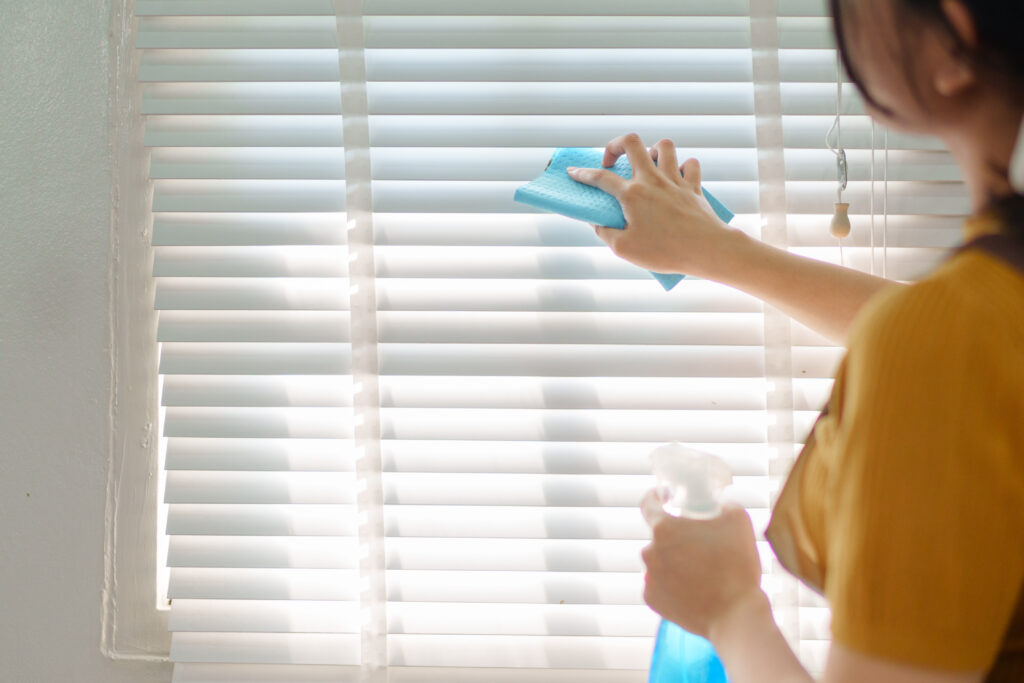
Wipe down slats or surfaces with a slightly damp cloth to catch any grease or fingerprints.
Yearly
A thorough deep clean using the steps above. Check for mechanical issues such as stiff cords, bent slats, or loose fittings.
💡 Kitchen and Bathroom Blinds
Blinds in kitchens and bathrooms are exposed to grease and moisture and should be cleaned monthly. Consider moisture-resistant faux wood or PVC blinds in these rooms since they are much easier to maintain.
Maintenance Tips to Extend Blind Life
Cleaning is only part of the equation. How you handle your blinds day to day has a big impact on how long they last:
- Always use the cord or wand rather than yanking the slats or fabric directly. This is the number one cause of broken blind mechanisms.
- Avoid condensation damage by leaving a small gap between the blind and the window glass in winter.
- Check fittings twice a year to tighten any loose brackets and inspect cords for fraying before they become a bigger problem.
- Choose a UV-resistant blind in rooms with strong direct sunlight, since fabric and wood blinds fade faster without UV protection in the weave or coating.
With regular care, a quality set of blinds can last 10 to 15 years or more. If you ever notice a mechanism that won’t respond to cleaning, it is worth getting a professional assessment before the issue worsens.
At Peninsula Curtains and Blinds, we are always happy to advise on care for the specific products we have supplied. Feel free to reach out to our team any time.